
Understanding and Supporting Youth Through Rising Absences
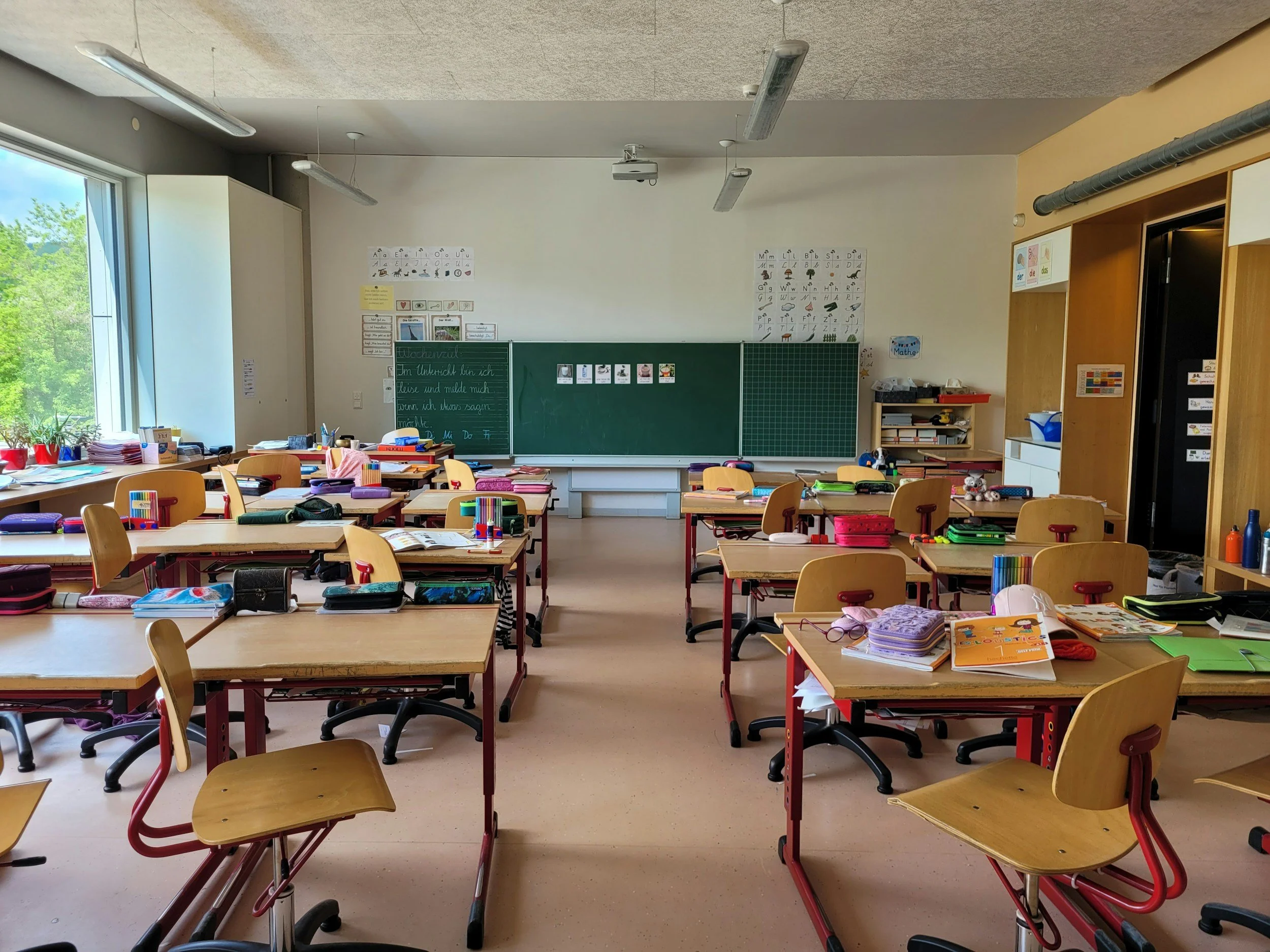
by Cali Shimkovitz, MEd, RP(Q)
Lately, many of us at Straight Up Health have noticed a troubling trend: more children and teens are missing school than ever before. This matches national-level data, and it’s a red flag we believe deserves attention, care, and action.
What the Numbers Say
According to a recent investigation by CBC News, school time lost due to reported illness has more than tripled in some school districts compared with five years ago.
Other reporting and research echo a broader, persistent rise in absenteeism since the pandemic. For example:
One Ontario school-board saw the proportion of elementary-aged students missing 10% or more of the school year increase sharply between 2018–2019 and 2022–2023.
Experts note that chronic absenteeism (often defined as missing a significant fraction of school days) is strongly connected to academic risk, including poorer achievement and increased risk of dropout.
Since reporting standards and data collection practices vary across provinces and school boards, it's difficult to say exactly how widespread the problem is across Canada. However, the data we do have suggests markedly higher absenteeism than in pre-pandemic years.
Why It Matters
Frequent or prolonged school absences can have a ripple effect well beyond just “missing class.”
Academic consequences: Missing large chunks of school can lead to gaps in learning, struggles to keep up, and increased risk of disengagement or dropping out.
Social and developmental impacts: School is more than academics — it’s where young people build friendships, learn social skills, and find connection. Absences can erode that sense of belonging and support.
Mental health warning sign: Experts consulted in the CBC investigation highlight deteriorating mental health (including anxiety, stress, and emotional overwhelm) as key contributing factors to rising illness-related absences.
Cycle of compounding difficulties: When absences stem from or cause mental health issues, learning difficulties, or social isolation, the risks accumulate. Students may withdraw more, feel overwhelmed, or develop negative associations with school itself.
In short: rising absenteeism is not just a “school problem.” It’s a systemic indicator that many young people are struggling, and that those struggles risk deepening over time if left unaddressed.
What’s Behind the Increase
Why are so many students missing school? The reasons are complex and often interconnected:
Illness (physical or perceived) — As the CBC report shows, illness-related absences have ballooned. Some of this reflects a heightened attentiveness to even mild illness post-pandemic.
Mental health challenges — Anxiety, depression, stress, social pressure, and pandemic after-effects are all contributing. Experts report that mental health is increasingly a driving factor rather than just a side issue.
Feeling disconnected or overwhelmed — For some students, school has become more than education: It’s emotionally taxing. For marginalized or underserved youth (e.g., those needing accommodations, facing bullying, or lacking support), school may feel unsafe or unmanageable.
Structural and systemic barriers — Limited supports inside schools, inconsistent tracking or follow-up of attendance, and inequities in support resources can make it harder for students to stay engaged.
Why Recognizing Absenteeism Is So Important
For mental health professionals, educators, and families, rising absenteeism is a warning light. It signals that students may be dealing with more than “just a cold”.
If unaddressed, the combination of poor attendance, academic stress, social isolation, and underlying emotional or psychological distress can lead to long-term harm: mental health struggles, disconnection from peers, academic failure, and even dropping out altogether.
By bringing this pattern into view – naming it, tracking it, and responding to it – schools and mental health supports can act early. Early intervention can prevent compounding difficulties, re-engage students, and restore a sense of safety and belonging in school.
How SUH Can Help
At Straight Up Health, we have seen an increase in clients struggling with school attendance, including chronic absences, difficulties returning after breaks or illnesses, and growing anxiety about going to school.
Our therapists are experienced in working with children and teens who face the mental health and emotional challenges behind absenteeism. We:
Help young people identify and understand the underlying causes, whether it’s anxiety, stress, overwhelm, social fears, or emotional burnout
Support families in navigating school re-entry and building routines that feel safe and manageable
Collaborate with schools and caregivers (when appropriate) to support gradual return, accommodations, or alternative learning plans
Use a strengths-based, compassionate approach, because sometimes what a young person needs isn’t judgment, but understanding, consistency, and support to feel ready and accepted.
A Call to Notice and Respond
The rise in school absenteeism across Canada is more than a trend. It’s a sign that many children and youth are struggling, often silently. For families, educators, and community providers, it’s an invitation to look closer, ask questions, and most importantly, offer empathy and support.
If you notice a young person missing school frequently, struggling to return, or showing signs of anxiety, withdrawal, or overwhelm – reach out. At Straight Up Health, we’re here to listen, support, and help young people feel seen, safe, and ready to re-engage. Because school matters – not just for grades, but for belonging, connection, and growth.